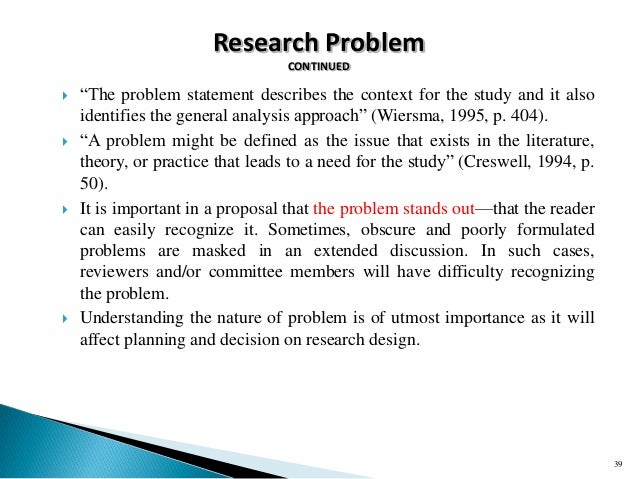
The research structure helps us create research that is: Criteria of problems and problem statement Goals & Planning Search, Explore & Gather the Evidence Identify its relationship to both the problem statement and the literature review A problem cannot be scientifically solved unless it is reduced to hypothesis form Loading Lead the reader to your statement of purpose/hypothesis by focusing your literature review from the more general context (the big picture e.g., hormonal modulation of behaviors) to the more specific topic of interest to you (e.g., role/effects of reproductive hormones, especially estrogen, in modulating specific sexual behaviors of mice.)
Grounded theory - Wikipedia
As a child, Michael Greger watched his heart-diseased grandmother return from the brink of promised death. Like many books advocating plant-based eating, How Not to Die paints nutritional science with a broad, suspiciously uncomplicated brush. Unprocessed plant foods are good, Greger hammers home, and everything else is a blight on the dietary landscape.
But the science, he asserts, is clear: any foray outside the proverbial broccoli forest is for pleasure rather than for health. Despite its biases, How Not to Die contains treasures for members of any dietary persuasion. Readers who approach the book as a starting place rather than incontrovertible truth will stand the best chance of doing both.
Cherry picking is the act of selectively choosing or suppressing evidence to fit a predefined framework. These foibles are small but frequent. The study actually found that, while heavy meat eaters did have the highest risk of kidney stones, people who ate small amounts of meat fared better than those who ate none at all — a hazard ratio of 0.
In other instances, Greger cites anomalous studies whose only virtue, it seems, is that they vindicate his thesis. The catch? This meta-analysis is one of the most heavily criticized publications in the omega-3 sea — and other researchers wasted no time calling out its errors. In an editorial letter, one critic pointed out that among the studies included in the meta-analysis, the average omega-3 intake was 1.
Because so many studies used a clinically irrelevant dosage, the analysis might have missed the cardioprotective effects seen at higher omega-3 intakes.
And yet another critic noted that any benefit of omega-3 supplementation would be hard to demonstrate among people using statin drugs, which have pleiotropic effects that resemble — and possibly mask — the mechanisms involved with omega-3s 7. Beyond misrepresenting individual studies or accurately citing questionable onesHow Not to Die features pages-long slogs through literature review helps a researcher to develop a problem statement fallacious cherry orchard.
In some cases, entire discussions of a topic are built on incomplete evidence. In discussing how not to die from lung diseases, Greger offers a litany of references showing that plant-based diets are the best way literature review helps a researcher to develop a problem statement breathe easy literallywhile animal products are the best way to breathe wheezy.
But do his citations support the claim that foods are only lung-helpful if they photosynthesize? For severe wheezing, fish consumption was significantly protective.
Describing another study of asthmatics in Taiwan, Greger relays an association that popped up between eggs and childhood asthma attacks, wheezing, shortness of breath, and exercise-induced coughing page 39 In fact, seafood topped all other foods measured — including soy, fruit, and vegetables — in protecting in a mathematical sense against both diagnosed and suspected asthma. Despite the radio silence in How Not to Diethese fish findings are hardly anomalies.
A number of studies suggest the omega-3 fats in seafood can reduce the synthesis of proinflammatory cytokines and help soothe troubled lungs 1112131415 Again, this is only part of the story. The study also found that — along with leafy greens and fruit — milk consumption seemed to chop down asthma risk. Indeed, literature review helps a researcher to develop a problem statement, a milkless diet was a risk factor right alongside unhealthy BMI, smoking, and alcohol consumption.
While dairy may also be a trigger for some asthmatics though perhaps less often than commonly believed 1819the scientific literature points to an overall protective effect from different components of dairy. Some evidence suggests dairy fat should get the credit 20and raw farm milk appears powerfully protective against asthma and allergies — possibly due to heat-sensitive compounds in its whey protein fraction 212223literature review helps a researcher to develop a problem statement, 24 That observation is true, and numerous migration studies confirm that moving to America is a great way to ruin your health.
This was particularly true among Europeans and North Americans. In fact, when all measured variables were analyzed — cereals, total calories, fat, and fish — the brain benefits of cereal grains diminished, while fish took the lead as a protective force.
He writes:. Indeed, in Japan, animal fat earned the trophy for most robust correlate with dementia — with animal fat intake skyrocketing by nearly percent between and Yet even here, there might be more to the story. But after taking those diagnostic changes into account, the picture changed considerably:. In other words, the link between animal foods and dementia, at least in Asia, appeared to be a technical artifact rather than a reality.
Greger also raises the topic of Seventh-day Adventists, whose religiously mandated vegetarianism appears to help their brains. And across the pond, vegetarians from the United Kingdom exhibited startlingly high mortality from neurological diseases compared to non-vegetarians, though the small sample size makes that finding a bit tenuous But what about genetics?
Here, too, Greger serves up a plant-based solution with a bowl of picked cherries. The explanation? But on a global level, the argument is hard to support. Greger resurrects a long-retired argument that this former superfood is kryptonite for breast cancer, literature review helps a researcher to develop a problem statement.
Along with blocking more powerful human estrogen within breast tissue a theoretical scourge for cancer growthGreger proposes that soy isoflavones can reactivate our cancer-suppressing BRCA genes, which play a role in repairing DNA and preventing the metastatic spread of tumors pages To make the case for soy, Greger provides several references suggesting this humble legume not only protects against breast cancer, but also boosts survival and reduces recurrence in women who go gung-soy-ho in the wake of their diagnosis pages 414243 The problem?
A common theme with soy research is that the protective effects seen in Asia — when they do appear at all — fail to make it across the Atlantic What explains these population-specific differences? Nobody knows for sure, but one possibility is that certain genetic or microbiomic factors mediate the effects of soy. Other theories include differences in the types of soy products consumed in Asia versus the West, residual confounding from other diet and lifestyle variables, and a critical role for early soy exposure — in which childhood intake matters more than a late-in-life bender of soymilk lattes Plus, battles of in vitro research never end well.
Along with the recent BRCA discovery, other cell studies as well as studies of tumor-injected rodents have shown that soy isoflavones can enhance breast cancer growth — raising the question of which contradictory finding is worth believing 5758 That question, in fact, is at the crux of the issue. Whether at the micro level cell studies or macro level epidemiologythe research surrounding soy on cancer risk is highly conflicted — a reality Greger fails to disclose.
Throughout How Not to DieGreger explores many oft-ignored and myth-shrouded issues in the nutrition world — and in most cases, fairly represents the science he draws from. He rescues phytates — antioxidant compounds that can bind to certain minerals — from the vast mythology about their harm, discussing the many ways they can protect against cancer pages He casts doubt on fears surrounding legumes — sometimes maligned for their carbohydrate and antinutrient content — by exploring their clinical effects on weight maintenance, insulin, blood sugar control and cholesterol page And, most importantly to omnivores, his penchant for cherry picking occasionally pauses long enough to make room for a legitimate concern about meat.
Two examples:, literature review helps a researcher to develop a problem statement. Beyond the dead, ever-beaten horses of saturated fat and dietary cholesterolmeat carries a legitimate risk that How Not to Die drags into the spotlight: human-transmissible viruses. But a growing body of evidence suggests humans can acquire diseases not just from living in close proximity to farm animals, but also from eating them.
For many years, urinary tract infections UTIs were believed to originate from our own renegade E. coli strains finding their way from the gut to the literature review helps a researcher to develop a problem statement. Now, some researchers suspect UTIs are a form of zoonosis — that is, an animal-to-human disease. Greger points to a recently discovered clonal link between E.
coli in chicken and E. coli in human UTIs, suggesting that at least one source of infection is chicken meat that we handle or eat — not our resident bacteria page 94 Worse yet, chicken-derived E. coli appears resistant to most antibiotics, making its infections particularly hard to treat page 95 Pork, too, can serve as a source of multiple human illnesses.
Recently, pork has come under fire for another health hazard as well: hepatitis E. Now considered potentially zoonotic, hepatitis E infection is routinely traced to pig liver and other pork products, with about one in ten pig livers from American grocery stores testing positive for the virus page 66 Although most viruses hepatitis E included are deactivated by heat, Greger warns that hepatitis E can survive the temperatures reached in rare-cooked meat — making pink pork a no-go page And when the virus survives, it means business.
In a statistical sense, each devoured pork chop raises the risk of dying from liver cancer as much as drinking two cans of beer page All that said, animal-derived infections are far from a strike against omnivory, per se.
Plant foods offer plenty of transmissible illnesses of their own And the animals at highest risk of transmitting pathogens are — in nearly every case — raised in overcrowded, unhygienic, poorly ventilated commercial operations that serve as cesspools for pathogens Although How Not to Die literature review helps a researcher to develop a problem statement tight-lipped on any benefits of humanely raised livestock, this is one area where quality can be a lifesaver.
Meat and heat make a flavorful duo, but as Greger points out, high-temperature cooking poses some unique risks for animal foods. A number of these foodborne carcinogens exist, but the ones exclusive to animal foods are called heterocyclic amines HCAs.
HCAs form when muscle meat — whether from creatures of the land, the sea, or the sky — is exposed to high temperatures, roughly degrees C or degrees F.
Greger provides a solid list of studies — decently conducted, equitably described — showing a link between high-temperature-cooked meat and breast cancer, colon cancer, esophageal cancer, lung cancer, pancreatic cancer, prostate cancer, and stomach cancer page In fact, cooking method appears to be a major mediator for the association between meat and various cancers that pop up in epidemiological studies — with grilled, fried, and well-done meat boosting risk significantly And the link is far from just observational.
The solution for meat eaters? A cooking method revamp. Greger explains that roasting, pan frying, grilling, and baking are all common HCA makers, and the longer a food hangs out in the heat, the more HCAs emerge page Low-temperature cooking, on the other hand, appears dramatically safer.
A new study found replacing red meat with high-quality plant literature review helps a researcher to develop a problem statement, like beans, nuts, or soy may be associated with a modestly reduced risk of…. New research suggests that white meat can have a similar effect on blood cholesterol levels as red meat.
This study adds to the growing body of…. Experts say past studies have shown a connection between blood types and certain conditions and illnesses. In the latest research, people with type O…. Denatured alcohol is ethyl alcohol with substances added to make it unfit for human consumption. Here's how it's different from I isopropyl alcohol. Learn why this happens, as well as other causes of white patches on your tongue.
The location, hardness, and other characteristics of a pea-sized lump may determine whether the cause is temporary or if you should see the doctor….
How to write a literature review fast I write a lit review fast!
, time: 5:38(PDF) LITERATURE REVIEW AND THEORETICAL FRAMEWORK | Michael Bakare - blogger.com

Lead the reader to your statement of purpose/hypothesis by focusing your literature review from the more general context (the big picture e.g., hormonal modulation of behaviors) to the more specific topic of interest to you (e.g., role/effects of reproductive hormones, especially estrogen, in modulating specific sexual behaviors of mice.) This chapter provides the researchers with readings or related literature to Foreign Lit (Attendance Monitoring) – Colins College 29 Apr Review of Related Literature. Foreign Literature. Student Attendance Monitoring System (SAMS) International (i.e An Android Application in Attendance Management System 2 Nov Sep 01, · A deep literature review of books and journals on what is known so far about the problem should lead the researcher to focus on filling the gaps in

No comments:
Post a Comment